-
The next horror came, when we were looking for a doctor to take care of our mother
In 1951, my parents Bedřich and Jarmila Koller, and my seventeen year old sister were factory workers in Uherský Brod. We, the two younger sisters, Jarmila and Věra were still in elementary school. Our father was a member of the National Socialist Party, not to be confused with the German Nazi party, that was not popular with the Communists. That is why, […]
-
Daddy’s Defender
After Mrs. H. read about this inquiry in the political prisoners organization’s newsletter, she offered to participate with a letter that reflected her skepticism on anyone willing to hear their voice. In her opinion, few parents who have a daughter of the required age for this study are still alive. Only a few widows and their daughters are members of the […]
-
Politician’s Mom
This interview takes place in one of Prague’s most famous cafés. Mrs. D. and I find a place away from the window tables occupied by tourists, speaking many different languages. I remember the times of my youth here. During the years of Stalinism, one would turn when hearing someone speaking a foreign language. Now it is almost the reverse.
-
The Nasty Grandmother
Mrs. L. lives in a Moravian industrial city considered for decades the steel heart of the country, a dirty and inhospitable place. In the post-communist era it has 23% unemployment rate by some estimates, and a strong communist base, still an active party in the Czech Republic. During the short taxi ride from the train station to the hotel […]
-
The Fighter
From Mrs. P’s letter I am aware that she is afraid to travel. She is waiting in front her apartment building. Her manner of speech is rapid. She acts hurried. We climb four flights of stairs to her apartment.
-
Two Sisters – Miss S.
Looking for Miss S’s home with a pharmacy sign among the two storied houses painted with pastel colors makes me feel as if I am transferred to a world that I only read about in old Czech novels. I am imagining her father opening his pharmacy’s door in the mornings many years ago. Then most of the town people, that passed his house, […]
-
The Director’s Daughter
When I searched for daughters of political prisoners, willing to talk about their experiences, one of the criteria was age 5—12 during the 1950s. Mrs. K. responded with a letter stating, “… I would like to participate even though I am older than the requested elementary school age. My father was imprisoned for 5 years from 1949 to 1954 in Leopoldov, Ruzyn, at the end in […]
-
Fairytale Story
When Mrs. O. arrives at the hotel, she orders salad with a comment, “I’ve got to lose some weight.” She suggests she will begin with her childhood, informing me “What I am going to tell you is what I heard from my grandma. I don’t remember because I was a baby when my dad, as a forester, found a wounded man who was shot by […]
-
The Traveler
The chance to meet Mrs. V. has been uncertain from the beginning. She has retuned from visiting her son and daughter in the U.S. two days ago; they emigrated after the fall of communism. Over the phone, she let me know that she could talk to me only for one hour. She had too much work after […]
-
They Called her a Kulak
Mrs. G. waits for me at the railway station of her beautifully renovated holiday resort town. We agreed that I would recognize her by a white envelope in her hand. I knew about some of her experiences from her letter she sent after reading my advertisement in the newsletter. I am not sure why but I have a hard time not […]


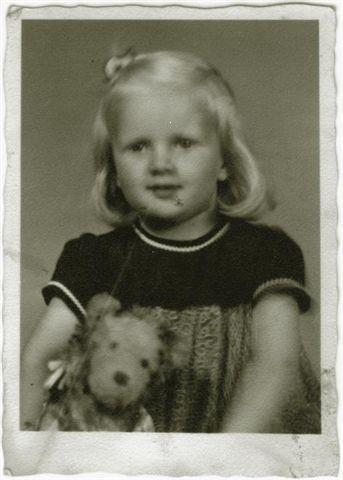
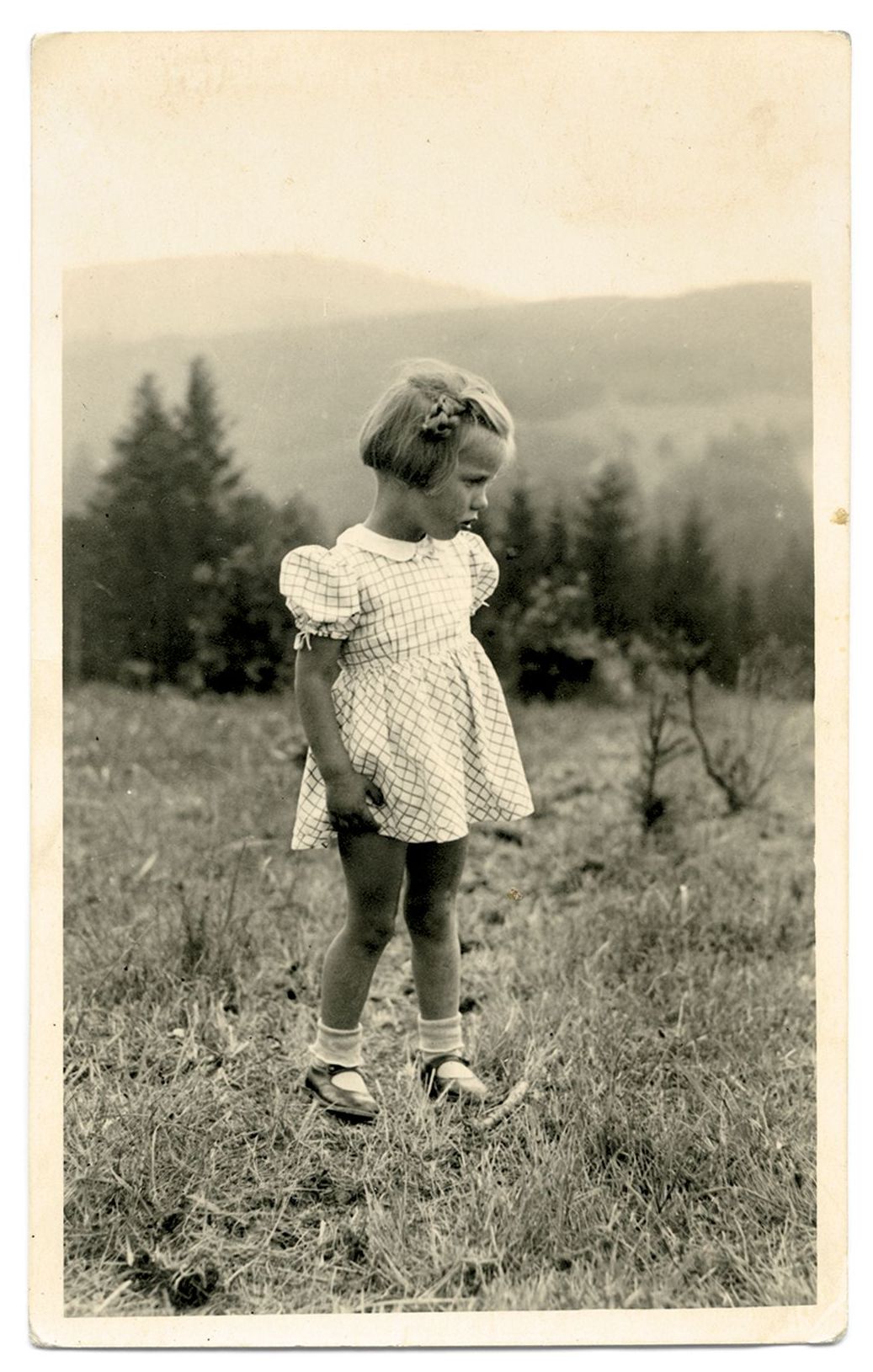
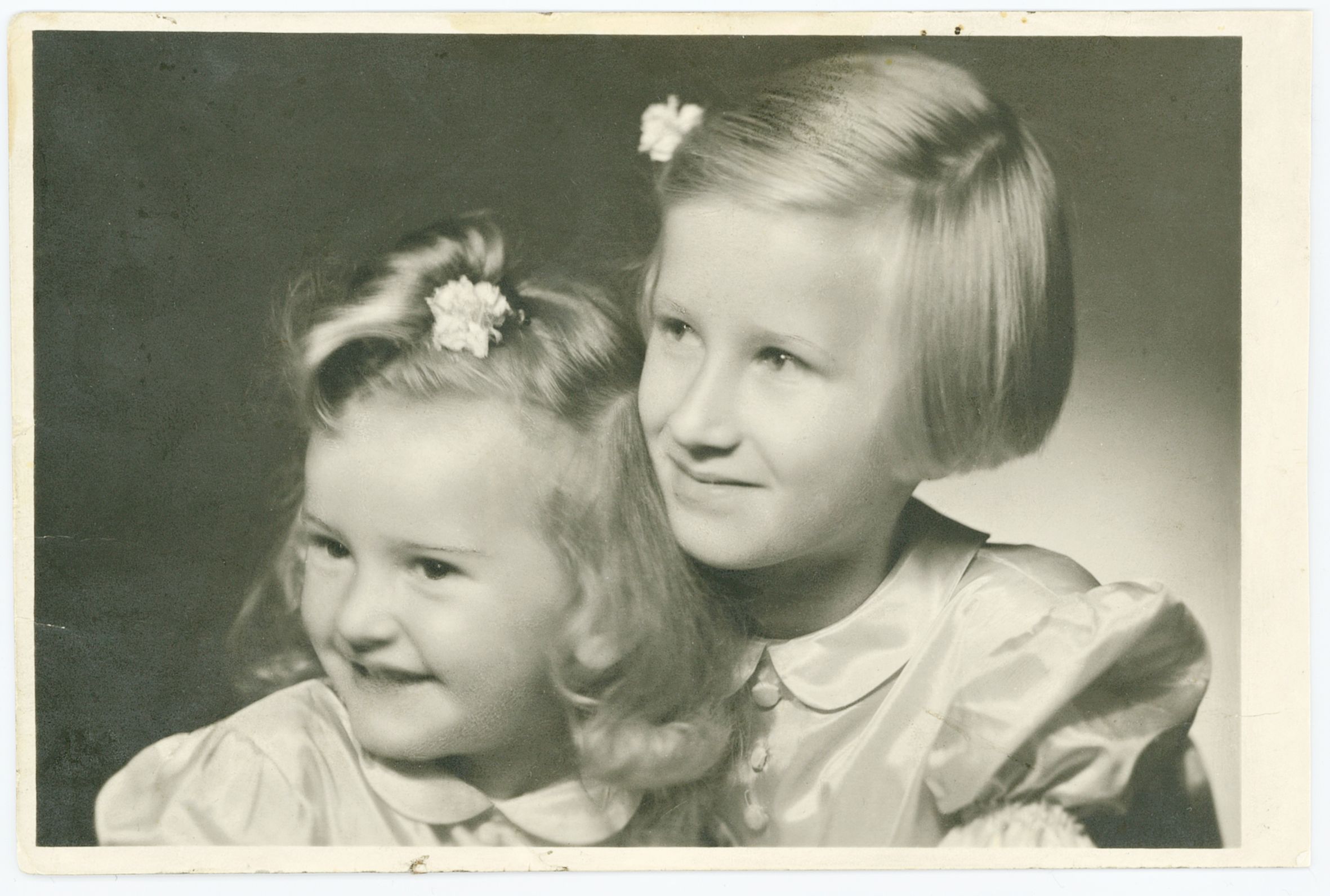
we are the daughters of political prisoners from the 1950s
Some of us participated in research on the psychological effects on children in families persecuted by the communist regime. There were originally twelve of us (in 1999). Thus a group of women was formed, which has grown over time to sixty members (2008). We meet twice a year, and many of us have become friends.
Latest Posts
-
Red Executor’s Daughter — her pain and her generosity
Prosecutor Karel Vas is known as the Red Executor. He sent innocent people to the gallows in communist Czechoslovakia during the 1950s.